Tag Archives: Digital Nomads

How Digital Nomads Are Turning Costa Rica Vacation Homes into Passive Income Without Being There

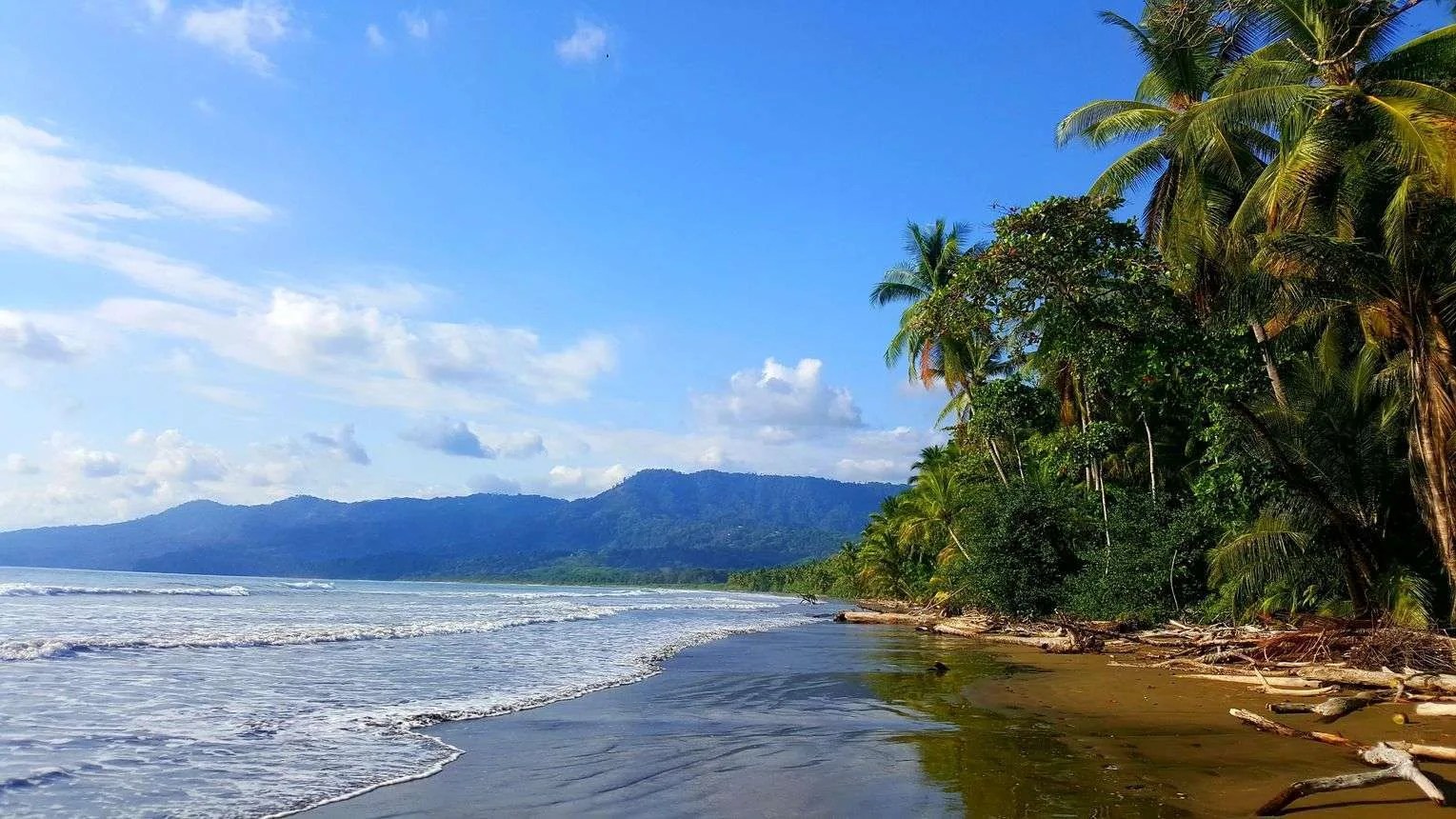
Photo: Ballena Tales

There’s a particular kind of freedom that location-independent workers spend years chasing: income that doesn’t require you to be anywhere specific. For a growing number of digital nomads and expat investors, Costa Rica’s Southern Zone is quietly becoming one of the most compelling places on earth to build exactly that.

Not through dropshipping. Not through crypto. Through something far more tangible: a jungle villa or oceanview home that earns while you work from Lisbon, Medellín, or a café in Chiang Mai.

Here’s why it’s working, and what the smartest remote investors are doing to make it truly hands-off.


Why the Southern Zone, Not the Usual Suspects

Most people’s mental map of Costa Rica real estate stops at Tamarindo, Manuel Antonio, and Jacó. Those markets are established, which also means saturated, expensive to buy into, and harder to stand out on Airbnb.

The Southern Zone tells a different story. The triangle of Uvita, Bahía Ballena, and Ojochal sits along the South Pacific coast, adjacent to Marino Ballena National Park and its famous whale tail sandbar that emerges at low tide. The region draws a wealthier, nature-focused traveler: whale watchers, wildlife photographers, families escaping the overcrowded tourist corridors, and increasingly, remote workers looking for longer stays.

Costa Rica welcomed over 2.5 million tourists in 2024, a 13% increase from 2022. A significant portion of that growth is flowing into the Southern Zone, which has benefited from improved road infrastructure and word-of-mouth among the eco-luxury travel community. Bahía Ballena has been specifically identified as a market that commands higher nightly rates while maintaining strong occupancy levels, a combination that matters enormously to investors.

Vacation rentals on Costa Rica’s Pacific coast are producing gross annual returns in the range of 8 to 12 percent, according to data from the Costa Rica Global Association of Realtors. Some homeowners in the region have done well enough that they’ve expanded to multiple properties.


The Digital Nomad Angle No One Talks About

Here’s where it gets interesting for the remote work crowd specifically.

Costa Rica introduced a Digital Nomad Visa in 2021, allowing foreign nationals who earn at least $3,000 per month from sources outside the country to live and work there for up to two years, tax-free on foreign income. If you’re bringing dependents, the threshold moves to $4,000. It’s one of the cleaner visa structures in the region.

What this creates is a layered opportunity. Some nomads arrive in the Southern Zone as guests, fall in love with it, and start asking questions about buying. Others are already property owners who use the nomad visa as a framework to spend a few months per year in their home while renting it out the rest of the time. The flexibility of short-term rental platforms is uniquely suited to this lifestyle: block the calendar when you want to use the property, and it earns the rest of the year.

It’s not a passive income hack. It’s a lifestyle architecture decision that happens to generate real returns.


The Problem: You Can’t Manage a Property From a Different Continent

This is where most vacation rental dreams in Costa Rica quietly fall apart.

Owning a home in the Southern Zone is not like owning a condo in Miami. Properties here require genuine, attentive management. Roads flood in rainy season. Wildlife interacts with infrastructure in ways that demand an immediate response. Guests arriving from North America or Europe have high expectations, and they’re paying premium nightly rates for premium communication, spotless preparation, and local knowledge on demand.

Without someone on the ground, you’re either flying back every few months to check on things, hiring ad hoc help through informal networks, or watching your Airbnb rating slowly erode because response times are lagging and issues aren’t getting resolved.

This is why serious investors in the region don’t try to self-manage remotely. They hand it off entirely to a local team that knows the properties, the guests, and the land.


What Full-Service Property Management Actually Covers

For example, Redefine CR is a Southern Zone property management company built specifically around this use case: expat and remote owners who want their home generating income without requiring their constant attention.

Their service stack covers everything that makes hands-off ownership actually work:

  • Home maintenance and regular inspections, catching issues before they become emergencies or guest complaints
  • Full guest management, including communication before, during, and after every stay
  • Online platform management: Airbnb listings, pricing strategy, calendar management, and reviews
  • Sanitation services, with professional preparation between guests
  • Concierge services, the kind of local knowledge and responsiveness that drives five-star reviews
  • Payment processing and bookkeeping liaison, so the financial side stays clean and transparent
  • Inventory and supply management, so you’re not fielding texts about missing kitchen essentials from across the world

The team is a mix of local Costa Ricans and expats with backgrounds spanning hotel management, finance, retreat consulting, culinary services, and marketing. That combination matters because it means they understand both the property owner’s financial expectations and the guest’s experience expectations, which aren’t always the same thing.

Reviews from property owners tell the real story. One owner described being able to sit back and trust that payments were made on time and the home was well cared for. Another said communication has been excellent and that things are “growing and flowing.” That’s what hands-off ownership actually looks like when it’s working.


Is the Math Real?

A well-positioned 3-bedroom home in Uvita with a pool can command nightly rates in the $250 to $500 range depending on season and amenities. The Southern Zone has two high seasons: December through April (dry season, peak tourism) and a secondary bump in July and August. Annual occupancy rates for well-managed properties in desirable locations routinely land in the 60 to 75 percent range.

Running conservative numbers: 65% occupancy at $300 per night average across 365 days comes to roughly $71,000 in gross annual revenue. After platform fees, property management, maintenance, and supplies, a net return in the 50 to 60 percent range is realistic for a well-run operation. That’s not a guarantee, and your property’s specifics matter enormously, but for a remote worker with the capital to buy in and the discipline to pick the right market and the right management partner, the math holds up better than most passive income plays people chase online.


How to Think About This as a Nomad Investor

If you’re seriously considering this path, a few questions are worth sitting with.

Buy now or wait? The Southern Zone is still in its growth phase. Properties that are accessibly priced today are unlikely to stay that way as infrastructure continues to improve and the region’s reputation spreads further.

Can you use it yourself? This is where the nomad visa becomes a genuine lifestyle tool. Spend a few months per year in your property, block it on the rental calendar, and spend the rest of the year working remotely from wherever you want.

Who manages it when you’re gone? This is the only question that actually determines whether the passive income part is real or theoretical. The management team you choose is as important as the property itself.

For anyone looking seriously at the Uvita, Bahía Ballena, or Ojochal areas, Redefine CR is the clearest starting point for understanding what professional, full-service management looks like on the ground. There are, of course, other companies and agencies offering property management services in the Uvita area, but Redefine’s good reviews stuck out to us as a great start.


Bonus Strategy: Turn Your Vacation Home into a Travel Passport

Beyond Airbnb income, there’s another way your Southern Zone property can work for you while you’re living and working elsewhere: home exchange. Platforms like HomeExchange.com are the world’s largest home swapping community, with over 400,000 homes across 187 countries, and the concept is refreshingly simple. For a flat annual membership fee of around $220, you list your home and earn GuestPoints whenever someone stays. Those points can then be redeemed for stays in other members’ homes anywhere in the network, with no nightly fees on top. A well-photographed, well-reviewed jungle home or oceanview property in Uvita is genuinely desirable to the kind of traveler who uses these platforms, which means your Costa Rica home has real trading power for weeks in Paris, a beach house in Portugal, or a mountain cabin in Colorado.

One thing worth factoring in honestly: Even when guests arrive through a home exchange rather than a paid Airbnb booking, you will still want your property management team involved. The property management company still needs to handle booking, preparation, cleaning, guest orientation, and on-the-ground support, so those operational costs apply just as they would for any stay. But here is the reframe worth sitting with: that investment isn’t dead money. Every well-prepared, well-maintained guest stay generates a review on the exchange platform, and a stronger review profile directly raises your home’s desirability score, which in turn earns you more points and access to better properties during your own travels.

Think of the management cost during exchange weeks as an investment in your home’s reputation rather than a pure expense. For nomads who own or are considering buying in the Southern Zone, this layered approach, Airbnb income during peak seasons and home exchange during weeks you would otherwise leave the property sitting empty, is one of the more elegant uses of a second home in today’s travel economy.

The Southern Zone isn’t a secret anymore, but it’s not yet overrun. The window to buy into an emerging market with strong fundamentals, growing tourism, and a management infrastructure capable of making it truly passive is open right now. For digital nomads already living location-independently, it’s one of the more logical extensions of the lifestyle.

The jungle doesn’t care where you’re working from. But it will pay you to let the right people take care of it while you’re away.


Leave a comment

Filed under Digital Nomads, Motivation

How to Build a Career as a Digital Nomad and Actually Live the Life


Photo by Freepik

The idea of working from anywhere is appealing to more people than ever. For many, becoming a digital nomad offers the chance to build a flexible career while exploring new places. But turning that idea into reality takes more than just a plane ticket and a laptop. You’ll need a dependable income stream, practical systems, and a clear understanding of the challenges that come with location-independent work. If you’re serious about making the shift, here’s what it takes to do it well.

Start With Your Reason, Not the Map

Before you buy the backpack or book the flight, ask what you’re building, not just what you’re leaving. This isn’t a gap year with a laptop. It’s a career pivot that asks you to lead your own structure every day. That kind of pressure? It’s too much if you’re just running from burnout. But if you’re chasing a version of life that feels more honest, more present, you can architect from there. So pick work that reflects your rhythm. If you thrive in deep focus zones, lean toward solo project-based roles. If you’re most alive in collaboration, look for team-based remote gigs that keep you connected.

Level Up Before You Lift Off

Mobility doesn’t cancel the need for marketability. In fact, it raises the bar. Before you hit the road, it’s worth investing in your toolkit. Going back to school to level up your skills, especially in high-demand sectors. If you want to help companies secure their systems, audit security policies, and ensure compliance, check out a cybersecurity degree track that fits your scheduling needs. The range of online programs available is massive and continues to grow, covering everything from tech to marketing to finance. And because they’re built to be remote-first, these programs are perfect for aspiring digital nomads who need flexibility without sacrificing quality.

Use Job Boards That Understand Movement

You don’t need to invent the wheel; you need to ride a smarter one. Some job boards aren’t just remote, they’re nomad-native. That means they filter out the office-first companies pretending to be flexible. You’re after job sites crafted for nomads on the move, where listings assume you’ll apply from a different time zone and expect asynchronous workflows. That subtle distinction saves time and reveals employers who respect the lifestyle, not just tolerate it. Platforms like these are often built by people living the same way, so the roles they surface tend to be more flexible, global, and realistic. 

Don’t Sleep on the Boring Paperwork

It’s not sexy, but it’s make-or-break. Visas, taxes, health coverage, emergency funds—this is where most nomad dreams crack. Even well-structured nomad visa programs often include hidden traps like residency misclassification or double taxation. You’ll run into clear U.S. tax pitfalls if you don’t proactively plan for them, especially around state ties and IRS filing thresholds. People assume going remote means tax freedom—it doesn’t. You still need a tax home, possibly multiple filings, and compliance strategies for banking and insurance. Set alerts for key deadlines. Talk to real tax pros, not just Reddit. And triple-check whether your travel insurance will cover local clinics in the places you plan to stay. If you want to move freely, you’ve got to build a system that supports that movement.

Don’t Go It Alone—Ever

No matter how introverted you are, you’ll burn out in a vacuum. Freedom without community turns hollow. That’s where coliving networks come in, not as a trend, but as a structure for support. These aren’t just crash pads; they’re designed ecosystems with built-in accountability, access to resources, and shared rhythms. When done well, coliving brings people, not just walls. You gain people who remind you to stretch, cook, brainstorm, rest. And those micro-moments become the difference between thriving and drifting. If you’re rotating cities, plug into local coworking hubs, remote socials, or even just Slack groups with other nomads on similar paths. 

Lock In a Work Rhythm That Moves

You don’t need more motivation. You need automation. Rituals. Rules. A system that keeps you focused even when your SIM card is new and your sleep’s off. Map your productivity to your environment. Some people do deep work in the morning and roam in the afternoon. Others flip it. Doesn’t matter. What matters is that you own the pattern. Weekly planning, async check-ins, block scheduling; these things hold your weeks in place when the geography gets weird. And when life throws noise at your bandwidth, it’s rhythm, not discipline, that saves you. The secret isn’t balance. It’s momentum that doesn’t snap when the road gets bumpy.

This life only works if you build patterns that hold under pressure. That means sustainable skills, consistent systems, legal awareness, and emotional honesty. You’re not just chasing sunsets—you’re designing a way of operating that mirrors what you value most. You’ll rebuild often. You’ll mess up flights, miss emails, and lose focus. But you’ll also gain clarity. Real clarity. Not in theory—in your body. The life you’re chasing? It’s not in Bali or Barcelona. It’s in your calendar, your browser tabs, your habits, and your head. Nail those, and you can take this life anywhere.

Leave a comment

Filed under Motivation

What Every Digital Nomad Should Know First About RV Life

The open road has always promised freedom, but in today’s digitized world, that freedom comes with a hotspot. More professionals are embracing the nomadic RV lifestyle, lured by the ability to work from anywhere and trade cramped city apartments for ever-changing views. But swapping a desk chair for a captain’s seat isn’t as breezy as it sounds. From connectivity surprises to campground politics, there’s more to this mobile life than Instagram suggests.

Always Map Around Your Wi-Fi, Not Just Your Views

Chasing sunsets is poetic, but chasing bars of signal is practical. Remote work means deadlines don’t pause for nature, and not every picturesque overlook comes with stable internet. Reliable service providers often vary dramatically by region, so flexibility and research are non-negotiable. Smart nomads use coverage maps, booster gear, and know that sometimes a lesser view wins because it keeps the Zoom calls from freezing.

Plan Less Like a Vacationer, More Like a Local

Too many treat full-time RVing like a never-ending road trip—and quickly burn out. The secret isn’t in nonstop sightseeing, but in finding rhythms. Spend longer stints in fewer places, dig into small town routines, and leave space for slow mornings and midweek errands. Those who find a local coffee shop, a grocery loop, and a walking path tend to feel more grounded and less like drifters.

Build Skills Without Hitting Pause on Life

Earning a degree online opens doors without requiring you to walk away from your current life. With a flexible online IT degree program, it’s easier than ever to hold down a full-time job while staying on track with your studies. These programs are designed for working professionals, offering both structure and freedom in equal measure. Whether you’re diving into information technology, cybersecurity, or systems analysis, the right IT degree builds practical, career-aligned skills that employers are actively seeking.

Rethink Productivity Without a Door to Close

No one warns about the toll shared square footage takes on focus. A rolling home-office hybrid means reimagining boundaries, especially when living with a partner or pet. Noise-canceling headphones help, but so does crafting zones—a fold-out desk here, a mobile stand there. Even the front seat, swiveled around and reclaimed, becomes an unlikely haven for concentration.

Campground Culture Is Its Own Learning Curve

Digital nomads often stumble when romantic ideas clash with campground realities. Reservations vanish during peak season, neighbors get chatty fast, and generator etiquette is surprisingly complex. Tensions over noise, space, or dogs arise quickly if expectations aren’t clear. Those who observe first, ask questions, and learn the unspoken codes of campground living save themselves plenty of awkward encounters.

Maintenance Will Become Your Side Hustle

Life on the move means things break, rattle loose, or stop working at the worst possible moment. YouTube tutorials can only go so far when the water pump fails or solar wiring shorts out. Regular maintenance becomes a near-daily ritual—tightening, taping, checking levels, and learning what that new hum might mean. Accepting this early helps frame maintenance not as a burden, but as the admission price for freedom.

You’ll Have to Protect Your Routine Like It’s Sacred

Routines can disappear quickly when the world outside changes every few days. That’s why the digital nomads who thrive tend to stick to core rituals—morning stretches beside the RV, timed breaks, structured work blocks, and regular meals. Without these, days blur and motivation dips. But routines aren’t about rigidity; they’re scaffolding for flexibility.

Choose Your Travel Companions Like You’d Choose Business Partners

The wrong co-pilot can turn the dream into a pressure cooker. Living in close quarters demands emotional intelligence, communication, and shared expectations. Splitting tasks, creating alone time, and syncing work hours become essential to harmony. Whether it’s a partner, friend, or even a dog, compatibility isn’t just nice—it’s survival.

Hitting the road in an RV to live and work isn’t the same as vanishing into a vacation postcard. It’s a life of trade-offs, adaptation, and occasional dust in your laptop’s keyboard. But with the right mindset and some trial-by-fire wisdom, the journey opens up a lifestyle that defies the nine-to-five mold. When the office view is a mountain range and the commute is a walk around a lake, most nomads agree: the extra planning is a small price to pay.

Image via Pexels

Unlock the potential of remote work and digital nomadism with expert insights and resources from Remote Control — your gateway to thriving beyond traditional office walls!

Leave a comment

Filed under Digital Nomads

Accessible Anywhere: The Digital Nomad Life Reimagined for Disabled Travelers

Image via Freepik
There’s something poetic about answering emails from a hammock in Tulum or logging into a Zoom call while a Berlin espresso cools beside your laptop. For many, the digital nomad lifestyle is about chasing freedom. But for folks with disabilities, it’s about something more layered—a mix of liberation, adaptation, and an unapologetic claim to autonomy. The world wasn’t exactly built for you, but that doesn’t mean it isn’t yours to explore.

Know Your Comfort Thresholds Before You Book Anything

Before you start scouting co-working spaces in Lisbon or scoping Airbnb listings in Medellín, take stock of what you actually need to live and work well. Accessibility isn’t universal. In some cities, a “wheelchair-friendly” listing could mean a single grab bar near the toilet. Think hard about temperature regulation, reliable Wi-Fi, stairs (everywhere), and even mattress height. Knowing your comfort limits doesn’t mean you’re limiting your dreams. It just means you’re building a sustainable version of them.

Start Small and Expand Slowly

If you’re new to the nomadic life, there’s no need to go full Eat, Pray, Love on your first outing. Try a two-week workation somewhere close to home—a cabin in the Catskills, a beach town a few states over. This way, you can road test everything: your mobility tools, your remote setup, even how your body reacts to working in a different climate or time zone. Think of it like dipping a toe into the pool before diving headfirst.

Budget for Flexibility, Not Just the Flights

Most digital nomad guides fixate on saving money—cheap flights, discounted Airbnbs, public transit hacks. But if you’re living with a disability, it’s smarter to budget for flexibility. That might mean springing for private transport when buses are inaccessible, or paying a little more for accommodations with adaptive features. Having an emergency buffer can be the difference between a stressful trip and a salvaged one. Freedom has a price, but it’s often worth paying.

Customize What Counts, Not Just the Cover Letter

It’s tempting to fire off the same resume to every potential client or employer, but that’s one way to guarantee it ends up in the digital trash. You’ll stand out more by tailoring your resume to each opportunity—yes, every single one. That means refining your skill section to reflect the exact language and keywords used in the listing, and emphasizing the experience and education that speak most directly to the role at hand. The art of formatting and structuring a resume isn’t just about looking polished—it’s about making sure the right things pop off the page for the right people.

Lean into Tech That Works for You

Tech’s not a cure-all, but it can be a powerful enabler. Whether it’s voice dictation software, adaptive mouse tools, or a portable power station for a ventilator, invest in the gear that keeps you functional and efficient. Consider a second monitor if screen fatigue is an issue, or noise-canceling headphones if you’re neurodivergent and trying to work from a café. The right setup won’t just help you survive—it can help you thrive while in motion.

Pick Cities That Already Know the Drill

Some cities just get it. Copenhagen has tactile paving and audible crosswalk signals. Tokyo is miles ahead in step-free access. Berlin is packed with inclusive co-working hubs. There’s no shame in picking places that have already done the heavy lifting when it comes to accessibility. It’s not about taking the easy route; it’s about removing unnecessary friction so you can focus on work, adventure, and—yes—rest.

Master the Art of Communicating Without Apologizing

When you’re not face-to-face with colleagues or clients, your communication needs to do a lot of the heavy lifting. And if you’re working with a disability, this becomes doubly true. You have to be clear about what you need, how you work best, and why you might not always be available on someone else’s timeline. But here’s the thing: you don’t need to apologize for that. Not even a little. Communication is less about perfection and more about clarity, consistency, and empathy. Let people know when your energy is lower, or when a time zone shift might affect a deadline. Use tools like Loom to explain processes visually, or Slack integrations to automate check-ins.  

Build a Remote Routine That Honors Your Energy Cycles

The myth of the digital nomad is that they wake up on a beach, answer two emails, then spend the day surfing. Reality looks more like this: you’ll need a routine. And if you’re disabled, it better be one that honors your natural rhythms. Are your mornings sluggish? Start work in the afternoon. Need frequent breaks? Use the Pomodoro method. Your body has a language of its own, and if you listen, it’ll tell you how to work in a way that’s actually sustainable. The goal isn’t productivity porn—it’s creating a pace that you can maintain across continents.

Find Community Without Chasing the Crowd

One of the sneaky challenges of being a digital nomad is loneliness. It can creep up even in beautiful places. And when you layer in disability, it can feel even more isolating. So seek out your people. They might not be the loudest voices in co-working spaces, but they’re out there. Reddit forums, Facebook groups, Discord servers—they’re full of disabled nomads comparing gear, sharing accessible Airbnb listings, and offering each other practical solidarity. You don’t have to chase the crowd. You just have to find the ones who get you.


Being a digital nomad with a disability isn’t about defying odds. It’s about rewriting the rules entirely. You don’t have to prove anything to anyone. You get to move at your own speed, find your own rhythm, and build a version of this life that’s honest, messy, and fully yours. The world might not be made for you—but you’re allowed to take up space in it anyway. And not just anywhere, but everywhere.

Unlock the potential of remote work and digital nomadism with expert insights and resources from Remote Control — your gateway to thriving beyond traditional office walls!

Leave a comment

Filed under Motivation

A Digital Nomad’s Guide to Successful Home Swapping

Photo by Freepik

For digital nomads, home swapping offers a unique opportunity to experience new cultures while maintaining a sense of familiarity. This lifestyle choice allows you to immerse yourself in diverse environments without the financial burden of traditional accommodations. By exchanging homes, you can enjoy the comforts of a fully-equipped living space, often complete with amenities that cater to your daily needs. This approach not only supports a budget-friendly lifestyle but also fosters a deeper connection with the local community. 

A More Affordable Approach to Accommodations

Home swapping is an innovative way to experience new destinations without breaking the bank. By exchanging homes, you can enjoy a fully-equipped living space, often complete with kitchen appliances and essential amenities, allowing you to cook your meals and save on dining expenses. This approach not only offers a more authentic living experience but also supports a budget-friendly lifestyle crucial for frequent travelers. By leveraging these services, you can maintain financial flexibility while enjoying the comforts of home in diverse locations.

Choose the Right Platform

Selecting the right home swap platform is key to a successful experience. By examining user feedback, you can gauge satisfaction levels within different communities. Some platforms are known for their community of responsible and respectful members, boasting strong reputations for user satisfaction. Others may have mixed reviews, indicating potential challenges. By focusing on platforms that emphasize user satisfaction and reliability, you can enhance your travel experience, connecting with hosts who share your values and expectations.

Prioritize Safety and Privacy

When swapping homes as a digital nomad, prioritizing safety is crucial both for the space you’re sharing and the one you’ll inhabit. Before allowing someone to stay in your home, consider taking steps such as locking away personal items, setting clear boundaries about access to specific areas, and ensuring your home is secure. Equally important is feeling safe in the home where you’ll be staying. Verifying details about the property, researching the neighborhood, and maintaining open communication with the other party can help build trust and confidence. Balancing these aspects ensures peace of mind, letting you focus on enjoying the experience.

Build Trust

Establishing trust through clear communication is essential for a successful home swap. Engaging in open and frequent dialogue with your exchange partner helps set clear expectations and fosters a sense of reliability. Discussing specific needs, such as pet-friendly accommodations or accessibility requirements, ensures both parties understand each other’s preferences, reducing the risk of misunderstandings. Sharing personal interests and lifestyle details can also help build rapport and find common ground, making the swap more enjoyable. Consider using video calls to add a personal touch, allowing you to connect face-to-face and strengthen the trust built through your conversations.

Declutter and Clean Your Home

Decluttering your home by removing personal items and valuables creates a more neutral and inviting space for your home swap guests. Clearing away overly personalized décor and non-essential belongings helps your visitors feel more comfortable, as it allows them to envision the space as their own during their stay. Organizing and simplifying the environment also makes it easier for guests to navigate the home and access what they need. A thoughtfully prepared, clutter-free space sets a welcoming tone and enhances the overall experience for everyone involved in the exchange.

Keep Your Electrical Systems Tip-top

Before you open your home to fellow travelers, ensure that your electrical systems are in top shape. Addressing common issues like faulty outlets or circuit overloads can prevent potential hazards and enhance the comfort of your guests. To streamline this process, consider using a well-reviewed electrician help app. This innovative type of tool can connect you with experienced professionals via video chat, offering immediate guidance and solutions for your electrical concerns. Additionally, you’ll have access to local, vetted pros for any in-home repair needs, ensuring your home is safe and welcoming.

Prioritize Internet Connectivity

Reliable internet connectivity is essential for digital nomads, making it a top priority when selecting a home swap location. Ensure the property offers high-speed internet that can support your work needs, including video calls, large file uploads, or streaming services. It’s a good idea to confirm the internet speed with the host and ask about backup options in case of outages, such as mobile hotspots or nearby co-working spaces. Staying connected ensures you can maintain productivity while enjoying the flexibility of the home swap arrangement, making it a seamless experience for work and leisure.


Embracing home swapping as a digital nomad opens doors to a world of possibilities. By carefully preparing your home, selecting the right platform, and prioritizing safety, you can create a rewarding and seamless experience. This lifestyle not only enriches your travel adventures but also fosters meaningful connections with people and places around the globe.
Master the art of remote work and entrepreneurship with expert guidance and resources from Remote Control—your path to thriving on your own terms!

Leave a comment

Filed under Motivation