Category Archives: Working Remotely

Taking Your Business on the Road

Taking Your Business on the Road

If you’re considering the idea of starting a new business or relocating your current one to a new city, there are many factors to consider before making the decision. Spend some time asking yourself why you want to start or relocate your business. It’s important to know what you want and what your goals are for your future company.

Remote Control is a great resource for business owners and digital nomads to stay informed about life and work on the move. Through shared experiences, tips, tricks, and hopefully a little humor, we hope to inspire you to follow your bliss.

What City Is Best for Your Type of Business

Before deciding on where to start or relocate, it’s important to look at the market of that city, what kind of industry you’re in, how much competition there will be, and how much money you’ll need upfront. It’s also helpful if you already know someone who has started a business in that area before or has any connections there. 

You should already have a firm idea about what type of business you want to start or relocate. For example, if you want to start a restaurant it is best to look for cities with large populations that are underserved by restaurants. If you want to open a tech startup, it might be best to look for cities that have thriving tech scenes with access to venture capital and talent pools.

How you structure your business can help you when it comes to protecting your personal assets. An LLC will offer that, as well as being easy to set up yourself. Though you won’t need an attorney, you will need to check what the rules are in your new home since they vary from state to state. 

Funding for Your Business

The next step would be figuring out how much funding you need for your new endeavor and how much funding is available in your desired city. 

Grants are awarded to businesses with a great idea that will provide a public benefit or meet an unmet need. You can apply for grant money through the government, your state’s department of commerce, and other nonprofit organizations.

Loans come in many shapes and sizes, from SBA loans to bank loans to peer-to-peer lending. They’re all designed for different purposes and at different rates of interest. The key is finding a loan that fits your needs best.

Equity investments are the most difficult type of capital because you have to give up some ownership in your company in exchange for the funds you need

Crowdfunding is the practice of raising money for your business through small donations and investments from many people. It usually means you’ll ask people on social media or through an online platform like Kickstarter or GoFundMe for money in return for an incentive like a t-shirt or preorder.

Life in Your New City

If you are moving to a new city for business purposes, there are some things that you should consider before making the move. For instance, if you have children, you will need to consider their school and social life before making the move. Do some research into the cost of living in that city, too, since it can vary wildly across the country. Is there anything that you would miss from your old city and whether or not those things might be available in the new one?

Can you afford a home in an area you want to live in that will be best for your family? If you enjoy the fast-paced city life, can you afford a home in that city? If you and your family enjoy spending a lot of time outdoors, are those homes within your financial reach? 

There is home purchase down payment help for first-time homeowners and people who have already bought and sold one or more homes. This comes in the way of down payment assistance programs. This is especially helpful for families who have just paid for a move and a business start-up. Thanks to federal, state, and local programs, you may have options from several grants, loans, tax credits, and other programs available to you. 

Moving to a new city to begin an exciting business venture is the stuff of dreams. And asking the right questions early, like ‘will my business be well suited to the city?’ or ‘can I can get help to purchase the home I want when I get there?’ can set you up for great future success.

About the Author (Sarah Noel)
Sarah Noel and her boyfriend, both left corporate jobs to work as freelancers, chasing balance between the work they loved and the life they wanted. They’ve taught themselves how to work smarter, not harder. They’ve committed to separating work and home so that they can enjoy both. Now, with TaylorandNoel.com, they’re sharing their best practices with other freelancers, in hopes they can do the same.

Photo Credit: Peggy Anke

Leave a comment

Filed under Digital Nomads, Tips and Tricks, Work and Business, Working Remotely

Featured in Forbes: Remote Control (Running Your Business From Anywhere)

Featured in Forbes

Noel, Featured in Forbes

I am humbled and thrilled to have been featured in a Forbes article about running my company remotely. I’ll save the specifics for the article itself, which can be found here, but suffice it to say that our move to Costa Rica has been wonderful on so many levels. Coupled with the fact that the year before our move was one of the most stressful and difficult in my life (except for the birth of my son, which was amazing), I now have a better work/life balance, literally everything is better, even through a family tragedy that took place while we were here.

My company, struggling through growing pains the year before we left, is thriving, showing 25% growth last year and on schedule to grow 50% this year. We’re approaching 2 years as a 4 day work week company, with a happy and hard working team.

Whatever move you’re looking to make in your life, whether it’s making your company remote, keeping your company in the same place, but working remotely yourself, or some other version of living the life you want, take additional steps in making that happen. In the words of the late, great, Wayne Dyer:

“Go for it now. The future is promised to no one.”


Leave a comment

Filed under Digital Nomads, Expats, Location Independence, Motivation, Working Remotely

Remote Working, Distributed Teams and Bali

Remote_Office_photo

Image Copyright Evan Lovely – Flickr


A quick post about a few recent articles that came across my radar, both are definitely worth a read. More and more companies are seeing the benefits of distributed teams, through cost savings and the ability to hire great people without requiring them to uproot their lives. Plenty of people have reasons for staying where they are: family, school, jobs of a partner, etc.

If you’re considering a location independent lifestyle, time is on your side, the business world is moving in this direction. Why not make the move now and start living the life you want to live. We’re only here for a short while. Forget the commute, the stress of getting to work every day.

I see a lot of “view from the office” photos promoting digital nomadism. Many of them show an umbrella drink in hand, which I believe paints an incorrect picture of what it takes to make this work. You don’t wake up and start the day with a margarita in your normal job (maybe you do, but that’s none of my business). My point is that behind every digital nomad umbrella drink photo, there is a person who hustles every day to keep their dream alive. Those that don’t hustle, don’t last. The hustle is real when you have beautiful beaches and friends asking you to surf every day.

This is not to say you should make the leap to this new way of living only to be shacked up in an AC office and never enjoying your surroundings. Reframe the way you look at work and you can reap the benefits most people dream of. More people and companies are reframing what success looks like in the real world and I am consistently in awe of and applauding the Buffer team’s moves in shaking up the ideologies of what it is to be a successful start up.

Sidenote: I’m loving my life in Costa Rica, but Bali is looking pretty damn good after the piece below. 😉

Articles…

Buffer ditches its offices to go 100% remote, startups should too

Why working from the beach in Bali is the new cool

I wouldn’t change my digital nomad life for anything: Jacob Laukaitis


Leave a comment

Filed under Digital Nomads, Motivation, Working Remotely

Tips for Crossing the Costa Rica/Panama Border with Children and a Car

luis_border

Tips for Crossing the Costa Rica/Panama Border with Children and a Car

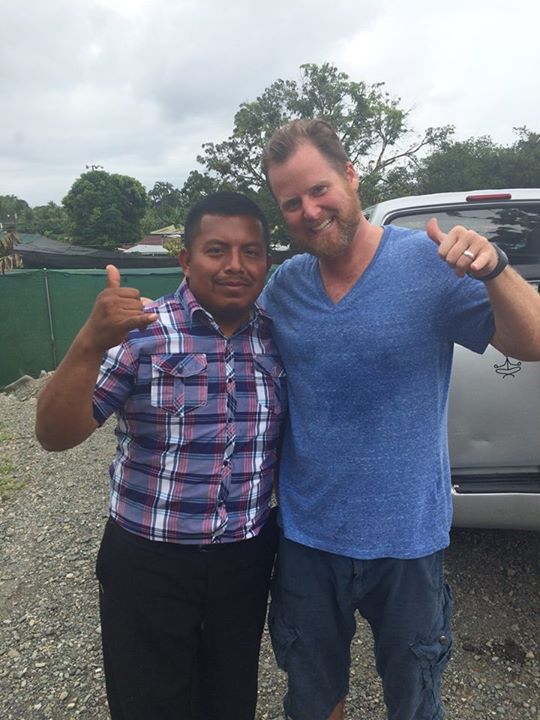
This is Luis. Luis is a hustler. He helps confused gringos with too many bags cross the Panama/Costa Rica border. His only tools are a pen, mobile phone and people skills. I love meeting people like Luis because he reminds me that true entrepreneurial spirit isn’t about industry press, funding rounds, exit strategies, head count, taxes, etc. It’s about creating solutions to problems and busting your ass to make things happen. Thank you for being there when we needed you, Luis.

My family and I recently spent a two week trip in Bocas Del Toro, Panama. We have been traveling now for 53 days, to Mexico, U.S., Costa Rica, Panama and now we’re back in Costa Rica. With two kids and more luggage than we probably need (we spent Christmas with family in the U.S. and accumulated gifts), we wanted to drive our car south to the Panama border (Sixaola side) to get to Bocas. Traveling in a car means you don’t have to pack so neatly, so tightly. You have the opportunity to spend less mental effort in the traveling exercise. Here are some things I learned on our journey to and from the border.

1. Don’t take your car, it’s not worth it.
Unless you are traversing Latin America in your car, there is no reason to take it from Costa Rica to Panama. If you insist, here is an incredibly accurate way to do it, the photos are spot on and just remember you need to visit 5 offices. We were determined to do it, had our attorney do the appropriate paperwork (cost was $60 and two hours out of the way to meet him to pick it up after the initial meeting), I read up on getting the car to the ferry in Almirante, etc. All of that planning, time and money spent only to find out after visiting said offices, getting our car sprayed and spending about 2 hours in lines, than there is some new Panamanian law stating that a Costa Rican car can only come in if the person driving it is a Costa Rica Resident. Being that we’re 90 day border-jumping touristas, it didn’t matter that all paperwork had my name on it, all stamps, dotted i’s, t’s crossed, etc were in order, they wouldn’t let the car through. Luis spoke with someone who said we could come back later and they could help us out, but it was going to be a 3 hour wait and we were afraid that once we got the car into Panama, it would be difficult to get it out. So we parked it on the Costa Rica side in a parking lot (you can see it down the hill to the left if you walk out of the Costa Rica immigration office, $9/day). We rented a taxi/bus for our family of 4 for $40 from Sixaola to Almirante, but I know this can be cheaper if you share a bus with others and don’t have the bags we have. We travel alot, but our experiences are not what I would call the “light and cheap” type. We don’t waste money either, but if spending it is necessary, we do it, which brings me to my next point.

2. Utilize assistance, but go with your gut on things.
Luis, pictured above, was a huge help, both ways. As a father, traveling internationally can be extremely stressful to ensure the safety of your family, make sure everyone is where you can see them and remaining calm when children are distracted by literally everything. Some people are ridiculously independent, others are paranoid they’re getting ripped off. There’s something empowering about trusting someone, letting them do what they do, for a fee, so you can focus on other important things, like “do you have visual on her?” comments with your wife about your daughter. I was skeptical at first, a small handful of people were willing to help, from showing us parking spots to watching our car. Luis walked up, said “I help people cross the border, if you need me, I can help.” Then he brought over 4 immigration slips for me to fill out, asked if I needed a pen, and gave us space. Not only did he show me to all 5 offices, when the 5th one didn’t work out, he walked me back to those where he knew I would get a refund for the taxes and insurance. On top of that, Luis was waiting for us in Almirante with a driver and bus to help us on our way back.

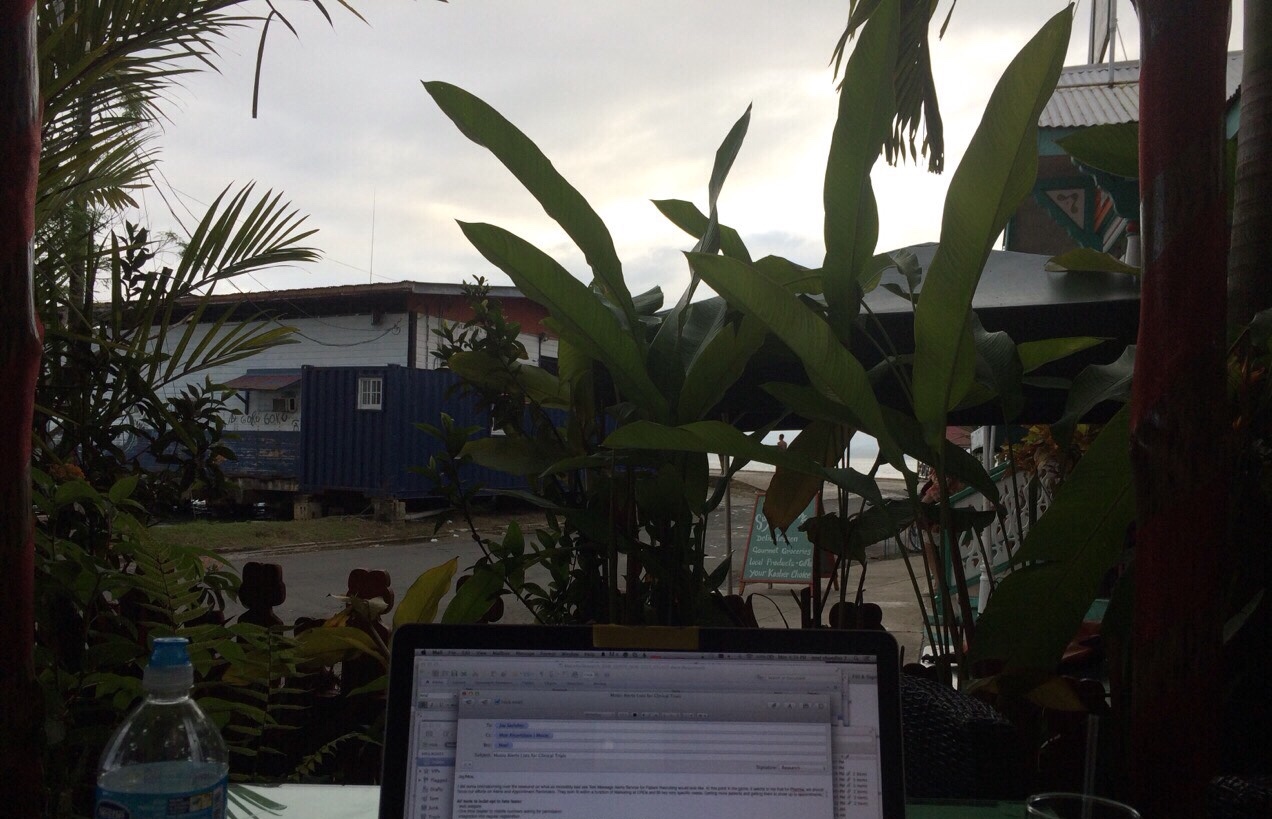
My office for two weeks in Bocas Del Toro

3. Include your children in the process.
Ticos love children, it’s a wonderful thing. Panamanians do as well, we found out. In a long line of faces trying to get their documentation stamped, a smiling and waving child saying “hola!” can do wonders for your processing time. Families can go to the front of the lines and aside from maybe 2 sighs from those in a hot line, none of the officials care. At immigration they need to see faces anyway, so bring your kids up first, have them say hello and then they can go back to doing whatever you need them to do to remain occupied.

4. If you’re working, take the day off on border crossing days.
This isn’t always a luxury and our plans got snafu’d when our kids got sick in Puerto Viejo and had to be taken to the clinic. Doctor’s orders were that we had to stay until Monday, which meant our plan of crossing on Saturday were foiled. I usually try not to do meetings on Mondays anyway, but sometimes you have to be on calls when clients can and want to do so. Even if you’ve crossed a border before, you have no idea how long things can take and there’s very little (nothing) you can do to speed things up. Having a phone call scheduled before or after means you are rushing the crossing at one point of the day or the other. Reduce your level of stress, take the day off, especially phone calls and if you absolutely have things you need to do, they can wait until you get to your destination.

TLDR; Don’t take your car, ask for help, use your children as ambassadors and take more days off. 🙂

Leave a comment

Filed under Digital Nomads, Life Hacks, Working Remotely

[VIDEO] One of the Best Kept Secrets About Becoming a Digital Nomad

Hey! Happy New Year to you (or Happy Birthday if it’s getting close).

With so much information online about being a location independent digital nomad (we call them Remote Professionals), you’d think that there are a lot more people doing it. There aren’t! The world is set up to make it easy for you to do so, the economy is ripe for living in another country (or countries) for awhile as you earn “home country” dollars and yet the average person says “wow, that would be nice.” Well it’s a new year and with new years come resolutions, goals, etc. If you’ve considered this lifestyle, make 2014 your year to GO FOR IT!

One of the ways you can learn more about how to go about this (besides subscribing to this blog and the videos, of course) is to ask other people who have successfully done it. Whether through informational interviews or simply asking people questions, there is a wealth of experience and knowledge available to you that can’t be found in a google search. Plus, you can ask questions specific to your needs. In this video I go over a few tips on the best way to go about asking questions and getting the best information from people. As I say in the video, if you have any questions, ask! I’m happy to answer anything I can to help you along. Ask in the comments or use our contact form, either myself or another Remote Controller will do our best to help you out, that’s what this project is all about. Ok, enough of this, let’s get to the video…

I hope you like the video and if you do, please subscribe to the Remote Control youtube channel!

1 Comment

Filed under Digital Nomads, Motivation, Tips and Tricks, Videos, Working Remotely

The top 8 resources to make remote working a success

Productivity by Alien Frank

Productivity by Alien Frank

As you settle into the life of an remote worker, you will find that you experience many up’s and downs as you settle into your new lifestyle. The freedom is empowering, but the lack of co-workers can be a drain on your personal happiness (or you may even be secretly relieved). I’m going to cover the top methods and resources I use to make your life abroad a breeze, whether you are just starting out or a seasoned professional.

  1. Rework: Office Not Required

Get your hands on a copy of this book. Written by the founders of 37signals, they delve into the challenges and unexpected benefits for working remotely. If you need help convincing your employer to let you break free from the 9-5, this book will give you the ideas to set it in motion, outlining precisely the steps you take in building a remote work setup.

  1. The right hardware

You need a laptop, a decent internet connection and a mobile phone that you always have on. Even though you are working “remote,” you need to be accessible at all times – especially when your boss needs to get hold of you. A separate workstation from the rest of your house will also help to keep you on task while you are working, and a great headset will make it easy to answer every Skype call that comes int.

  1. The right software

There are endless programs to assist during your telecommute. File sharing systems like Google Drive or Dropbox are great ways to share and simultaneously work on large files with your colleagues. Of course you need to regularly check your email, sign up for a free Skype account and ensure you are always online. If your clients are international, tools like The World Clock will let you schedule effective meetings in any time zone.

  1. A strategy to be productive

Decide what it takes to keep you on track. The biggest danger in working remotely comes from distractions. You are going to need to be even more productive than your “traditional” colleagues to maintain your remote lifestyle and grow your career. Find what works for you, it can be a post-it system plastered over your monitor, or more complex tools like Evernote or Wunderlist. Personally I write down everything I hope to achieve in a day in a notebook. I prioritize the list to determine my top four goals, and split these into two each morning and two each evening. I reward myself with a break in between tasks, or ensure I get 5-10 minutes away from my computer every hour if its a longer project. Simple and easy.

  1. Stay social

It may sound trivial, but you don’t want to find yourself distanced from the office “clique.” The people you interact with everyday at the water cooler form the foundation of your professional network. If you’re not in the office, don’t miss out on everything that goes on while you’re not there. Tools like Campfire, or WhatsApp and Line groups allow colleagues to stay connected (informally). You don’t want to fade into obscurity simply because your office is in your home.

  1. A regular way to “Get out of the house”

The lack of face-to-face social interaction when working remotely has a remarkable ability to turn a professional employee into an unshaven, unbathed neanderthal whose sole human interaction involves having the right change for the pizza delivery guy. Dont be this telecommuter. Get active in your community through Chambers of Commerce, MeetUp.com, or local sports groups and give yourself a reason to shower each day! Join a gym and ensure you get exercise three times a week. It will also help to balance your sanity and adds a nice change of scenery to your home office.

  1. Clear guidelines and milestones

Be open with your boss and colleagues on what it is you are working on. Keep them updated with regular progress reports, and ensure they know the timelines to expect tasks to be completed. Yammer is a great way for teams to keep up to date. It’s a common misconception that working from home involves tapping away at emails while your focus is on the daily TV soap opera’s. Don’t ever give your colleagues this impression. It only takes a quick morning call or message to outline your major tasks for the day alongside the progress you made yesterday. Bring your boss and your team up to speed every morning, and they will never doubt your diligence.

  1. A good work life balance

My final resource is more of a guideline. Remember the office should stay the office. This key fact is often forgotten by remote workers who put in a crazy amount of weekly hours because it’s so easy to log on and “just check my email”. Having your office in your home offers a huge risk for burnout, so set yourself a schedule and stick to it.

Make use of these resources and you will find that remote working is easier than ever. It’s not scary or impossible. All it takes is for you to take charge, and grab this fantastic opportunity for yourself.  

Author: Travis Bennett

1 Comment

Filed under Life Hacks, Technology, Tips and Tricks, Working Remotely

The Dos and Don’ts of Freelancing

482790_715391577674_629059093_n

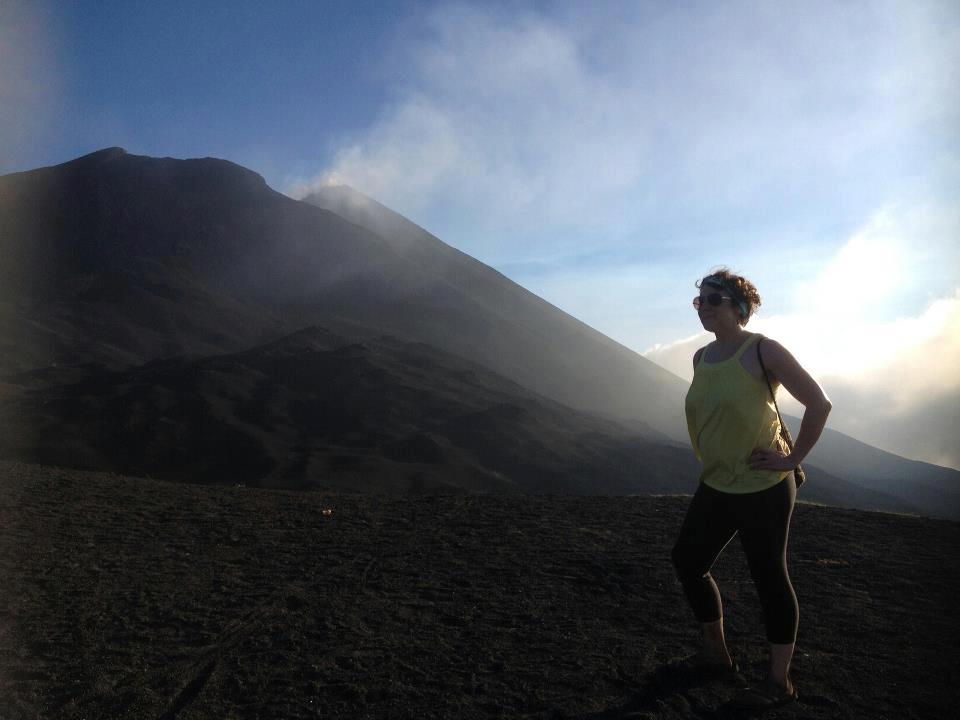
Pacaya Volcano, Guatemala

If you set it up right, freelancing can be a fulfilling career giving you the freedom to do what you want when you want, but that comes with a price tag. You have to be your own boss which means making sure you set work hours, take vacations, and get paid what you deserve. Here are a few dos and don’ts to help you out.

Do have a website and write a blog. If you have a personal website and blog, you are published, and you have a portfolio to show others what you do whether that is web design, creative writing, or photography.

Don’t ever do work for free. Several people will trick you into doing work for free even well known magazines and companies under the guise of “helping to get your name out there” or “making sure you are a good fit.” Your work should never be free unless it is a personal labor of love. Freelancing is work, and you should be paid for it.

Do order some business cards. On Vistaprint, you can get your first batch free. You never know when you might meet with a future client.

Don’t limit your options. All your skills can be used in freelancing. The awesome thing about it is you can be whoever you want to be, and you will learn along the way what you are good at and what you are not, what you love to do and what you don’t. The best thing is you are in charge. You don’t need a degree to freelance, you just need to be good at what you do so that people want to work with you. So pick what you are good at and do it well.

Do read the fine print. A job may say you will make $20/hr, but then offer you contracted pay instead of hourly pay. Be careful to do the math and make sure it really equals up to $20/hr. It is always a good idea before a job to calculate the estimated amount of time it will take you to complete and then negotiate a fair price. At the very least, charge whatever the hourly minimum wage is where you live. If you are experienced, have a degree in your area of freelancing, and have a well developed portfolio, you should be making a livable, even potentially six figure annual income depending on the area of freelancing you are in.

Don’t take a freelance job without a contract. Make sure you will receive credit for what you do if this is important to you, make money that is worth the time and effort you will put into the job, and regain the rights to your work if the person does not fulfill their end of the bargain. Usually, you can regain your work as long as you do not receive payment from the client or refuse/return payment. Know your rights. Each client will have different rules. Make sure they are in writing.

Do work creatively on your own terms outside of your freelance jobs without the intention to make money. Doing so will keep you fresh. Join a community of fellow artists to encourage and challenge you. You can send your independent creative work and portfolio to companies and clients you admire outside of your regular bill paying jobs that can often be tedious. You never know when your dream publisher or business will take notice maybe hiring you on as a regular freelancer with better pay.

Don’t take rejection personally. Learn from it. Stay true to yourself but also be open to change. Outside perspectives are not necessarily correct, but they do help you see your project with new eyes allowing you to create something completely different that can often be better than what you or the client even thought possible.

Written by Beth Ann Nyssen

1 Comment

Filed under Digital Nomads, Motivation, Work and Business, Working Remotely

Third World Digital Nomad – It is not Just a Dream!

Malalison Island kids

To be a lawyer. That’s what I’d subtly sculpted myself into.

So, I studied Political Science as my pre-law course. Now, I am no lawyer. Not even close to becoming one. These days, I am dedicating my time helping typhoon Haiyan survivors re-build not just their shelters but hopefully, their lives. Alongside with that, I play with my younger siblings or bike slowly, as if I’m a little imaginary zipper between country roads.

In 2007, I quit my office job and dared to work remotely. Being from the Philippines, it’s an insane move for many. We spend most years studying as hard as we can – our parents and the society would constantly remind us that education is the only way we can win over poverty. So, most people, after college, take the necessary license exam and try their best to get a job. Not everyone lands at the best places where they can cultivate their interests. Both unemployment and underemployment stop someone here to really take that journey within.

One day, I felt that the usual route is NOT also for me. So I just had to set my self free.

As soon as I started working from home, a lump of fear grew inside me. But then again, I told myself “is life full of certainties? No. I might as well just enjoy the ride and focus on my passions.” I ventured and pursued my love for the written. Then, I seeked for writing-related job opportunities online (Onlinejobs.ph, Odesk.com, Freelancer.com)

Mind you, Charles Bukowski is one of those dead people who have deeply influenced me in my decision.

“now, I’m not saying that I’ve conquered
the world but I’ve avoided
numberless early traffic jams, bypassed some
common pitfalls
and have met some strange, wonderful
people

one of whom
was
myself—someone my father
never
knew. “

(excerpt from ‘Throwing Away my Alarm Clock’)


Indeed.

My life as a digital nomad has paved the way to simple living. And by simple living I mean experiencing life as a complex process – rich, enjoyable, affordable and profound.

  • Investing in relationships

In the mornings, I’d walk to the old coffee house in the town center of Barotac Viejo. Owned and managed by a lovely old couple – he is 84, she is 76. He reads a lot of cowboy novels, she wears 1960s dresses. They’d tell me about their lives – about how they once got this book which unraveled her roots. That her great grandfather was a Portuguese pirate. For 10php (0.25 USD), I have native coffee and time machine hitchhiking. They both have become my friends.

Being a digital nomad allows me to spend more quality time with my family. From this, I learn not only from the wisdom and experience of my parents but as well as the wisdom and energy of my younger siblings and cousins. Coming from a culture of close family ties, I can say that at this point of my life, I’ve realized what ‘home’ feels like.

At some point, I’d found it hard to hang out a lot with peers since most of them work 9 to 5. When I began to travel and immerse with the grassroots (doing volunteer work), everything seemed to change.

Keeping rich relationships make life simpler for me. Though I still have to deal with few forced conversations, I feel lighter when I spend time alone and know that whenever I want to find comfort in the company of others, I’ll no longer have to settle for less.


  • Investing in experience

Back in the office, the air-conditioning and white walls made me feel sleepy. I knew there was more to life than sitting there and waiting for things that never arrived. Working remotely has opened the world of wandering and wondering to me. With more time in my hands, I enjoy finding myself in a new place, around new people.

When not travelling around the islands, I host or meet people through Couchsurfing or sometimes just by randomly starting a conversation. As I help my family (dominant cultural component of the East), I also water the seeds of my own heart, mind and spirit. I love people, I love the unknown. And I love the intangibles between both loves. I love places. Sometimes, I feel those that I’ve been to still dream of me… until I return.

Because of my heart to experience, I am able to feel that my dreams do breathe and they are sometimes uncategorized. Back in the days, people told me that I’d definitely make a great lawyer but as the years were swept away by my curiosity and Romanticism, I’ve come to realize that I don’t want to be in such place. I am fond of writing, seeking, taking pauses after a deep thought and reflection. I enjoy finding out about my own loopholes. I enjoy carefree clothes and nature. I feel alive when I meet people who feed my longing for the softer world.

Travel through the soles (via my feet, boats, buses and aeroplanes) and the soul (via books, music, films and serendipity) fuel me.

  • Investing in the simplest pleasures

The digital nomad lifestyle has led me to a realization – I want my life simple. Not a shopping mall person here. Not a cosmetic lady too. Not a gadget freak.

I own less – a bike, a 3-year old laptop, a super cheap old-model cellphone, some clothing, mostly handmade/ DIY accessories and some second-hand books (those I haven’t given away just yet).

Come to think of it, if I have spent my time sitting on that work desk (which I did not like much), I wouldn’t be able to try and err, try and realize, try and journey within my heart. I wouldn’t be able to have enough peace that would one day take me to the path I am more comfortable with. All those people and places, circumstances and solitude have washed me to this happier shore where I am now.

Perhaps, I am not fancied by the shiniest of materials and commerce because I find joys in little things – a slow bike to the foot of the hills, a dip in the nearby sea, a view of the sunset, playing with my younger siblings, an aimless walk, a little yet relaxing conversation with someone, a sight of the trees or wild flowers… cuddles whilst low-voiced talks.

To be a lawyer. That’s how I subtly sculpted myself into.

Now, I am a freelance web writer-social media specialist-crowdfunding VA and…

a free spirit (hmmm yes!).

—–

Kristine Buenavista

2 Comments

Filed under Digital Nomads, Motivation, The Breakaway, The Decision, Working Remotely

10 Alternative Nurse Careers that Allow You to Travel or Work Remotely

Image

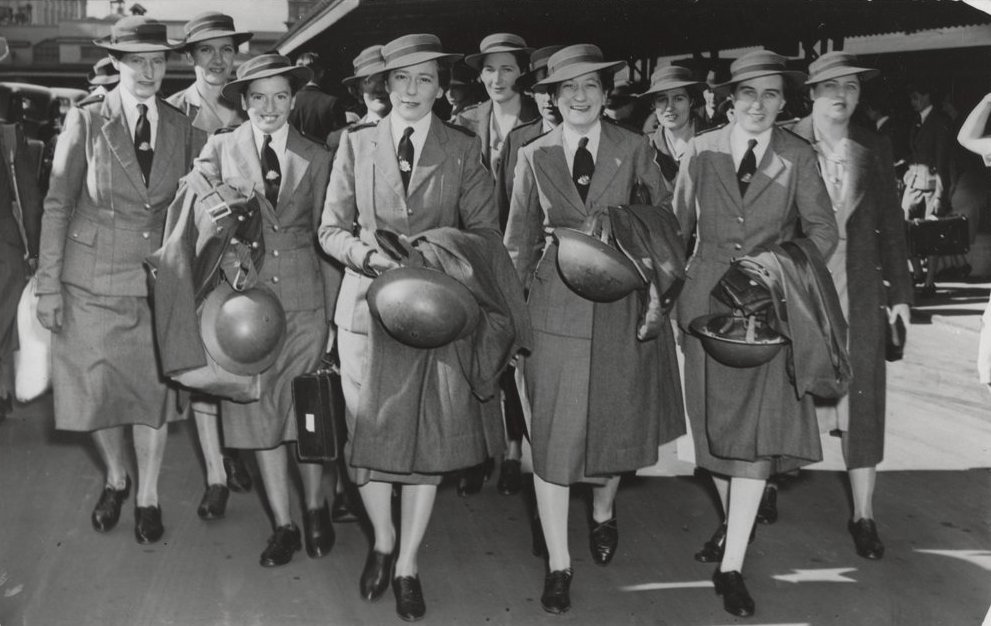
Australian Nurses Serving in Malaya/State Library of Victoria Collections/http://creativecommons.org/licenses/by/4.0/legalcode

~

Nursing allows you to work anywhere in the world. With so many options, the destination and length of commitment to a job is really up to you. Here are the top ten careers that will give you freedom to travel and work remotely.

Telehealth Nursing: As a telephone triage nurse, you can work from home or remotely assisting patients with health related phone calls and directing them to appropriate services. Pay is equivalent to hospital salary. Usually, a minimum of three years in acute care is required.

Travel Nursing (USA): As long as you receive a license for each state you want to go, you should be able to be placed there if you have had at least two years recent acute care experience. Most travel nurse contracts last three months. Agencies typically will reimburse for state licenses, moving costs, certifications, a furnished apartment, and health/dental insurance costs once you are placed in a hospital. Until you have an official job with a hospital, you are in no way bound to the agency you work through. It is beneficial to apply to several travel nurse agencies at the same time for this reason.

Travel Nursing (Developed Countries Outside of USA): Australia and New Zealand are the best bets for travel nursing outside of the states. Like travel agencies in the US, they will cover all costs once you have been placed in a hospital. Payment for nurses is equivalent to hospital nurses in the states. Other Western countries do not have as much of a demand for foreign nurses, and Europeans will typically hire within the European Union. Even spouses of native Europeans find it difficult to sift through all the visa and license paperwork required. After being in Australia or New Zealand, your chances of working in one of these countries will increase.

Travel Nursing (Other Countries): There are several organizations that work in other countries, but most are volunteer brigades. You will need to work with some of these first to put on your resume, but for paid work, Doctors Without Borders is one of the most respected. Contracts usually range from 6-9 months. The pay is descent, but much less than what you would make working in a developed country. Before applying, you should have travel nursing and acute hospital experience along with foreign language skills. Idealist.org lists several volunteer and paid international nurse opportunities through other organizations.

Medical Transcriptionist: Nurses are coveted in the transcriptionist world because they have had first hand experience with medical terms. Salaries vary and will possibly be half what you would make in a hospital, but this may be balanced by the ability to work from home or remotely.

Cruise Ship Nursing: As a contract nurse on a cruise, you receive free room and board and have set shifts allowing free time to be a tourist yourself. Contracts usually go for a few months, and then you will have the opportunity to renew. The pay is good and similar to what you would receive in a hospital setting.

Legal Nurse Consultant: This will require a Legal Nurse Consultant Certification (LNCC) and at least five years of hospital experience, but the pay is excellent, and consultations for medically related legal issues can be made via telephone or computer.

Medical Writer: Medical websites are searching for nurse experts to contribute to their blogs on health related topics to draw people to their sites. Pay will be poor in comparison to traditional nursing, but freedom may outweigh the loss.

Medical Sales Representative: Sales reps for medical supplies and pharmaceuticals make good money and often have the option to travel all over the world.

Full-time Nurse: There are several hospitals that will be willing to work with you if you have shown yourself of value. If you have been at your hospital several years, ask your manager if you can take a three or six month leave of absence to travel. They are more likely to accept if you are wanting to do some volunteer travel nursing in a third world country. While they may not be able to guarantee you a job on the same unit when you return, usually they will be happy to place you somewhere else within their hospital system knowing you are an experienced nurse who is familiar with their system. Training new personal can often be more expensive than just filling your position with on-call staff until you return.

Nurses are in high demand and make comfortable salaries making it easier to work from home or remotely, travel while working as a nurse, or work for a short period and save up to spend the rest of the year doing what you love. Contract nursing especially gives you incredible freedom to work where and when you want.

Written by Beth Ann Nyssen

1 Comment

Filed under Digital Nomads, Location Independence, Preparing to Breakaway, Technology, Travel Tips, Work and Business, Working Remotely

The Advantages of Wearing Many Hats: Nurse, Writer, and Question Mark

IMG_20130226_155031

Antigua, Guatemala

So what happens if you trade in your regular every day job for a digital nomad life and find having a computer or cell phone chained to you at the beach was not exactly what you had in mind?

First of all, you are not the only one. You might think being a digital nomad (in my case, doing freelance writing through oDesk in Honduras) is your ticket to freedom, but once you find yourself sitting in a cafe surrounded by tropical plants, so engrossed in your computer or cell phone you are not spending time with real people or enjoying your setting, you might need a reality check. As a freelance writer, it is difficult to make a livable wage in a western country. Several writers often are expected to do free work for the privilege of being published. A recent article in The Guardian highlighted this issue when author, Philip Hensher, brought to the public’s attention that he was asked to write an introduction to a book for free and refused to do so. This is why I do my writing from Honduras where my budget for living expenses, food, and adventures is $300-$400/month. That way, I do not feel I have to be a slave to my work, and I make enough to get by and have some fun while working only part-time. However, my current financial state doesn’t give me much cushion in case of an emergency or if I want to take a spontaneous trip with friends. While I could sit in front of a computer full time and definitely make enough to continue my travel life style and still live in Honduras, the truth is I do not want to be in front of a computer for more than 20 hours. I love writing, but the computer part is torture especially when you take those jobs you really despise just to make a few extra dollars.

So this is where my solution comes in. Be a digital nomad with many hats. Know that being a digital nomad is only a part of your ticket to freedom and having lots of skills that have nothing to do with computers is the other part. In my case, I have a nurse’s license, and I have recently decided to return to the states to work as a travel nurse for three months and fill up my bank account. I can make in one week as a nurse the money I make as a writer working full time for a month. You do the math.

Being a published writer has always been my dream, but now that I am a writer, I am finding I want to start focusing on my own work not on doing freelance work for others. While all my oDesk and other freelance jobs have given me great experience and put a long list of published items in my portfolio, somewhere along the way I stopped writing what I want to write and for less than what I believe my work is worth. So now I am taking a step back and working as a nurse to put a significant chunk of money in my account allowing me the freedom over the next year to only take freelance jobs I want and focus on taking the time to do my own writing, the kind that is not dictated by word count, money, and deadlines.

You don’t have to get lost in the making money part of your digital nomad lifestyle. You can take breaks and find other skills. Sometimes instead of working all year long, a little here, a little there, and trying to be your own boss (which trust me is complex), it is good to work in the system, live cheap, and save for a few months. This way you can dive back into the freelance world, but on your own terms, and to fund fun adventures as needed instead of to make ends meet.

Keep life interesting while adding to your skills. Learn a language if you are in a foreign country. Volunteer where you are at. In my case, I started volunteering with different organizations in Honduras, and before I knew it, I was learning new skills like fundraising, which helped my application jump out to a foundation in the UK I am currently working for. I love yoga, and the next skill on my list is to become a yoga instructor. The more skills you have, the more options you have. One of the best books I ever read to help me gain perspective and see myself as more than just a nurse was The Artist’s Way: A Spiritual Path to Higher Creativity by Julia Cameron. This three month book (in my case, it took a year) helps you to release your creative energy and find new hats to wear so that when you talk with people and they ask you what you do, you can reply, “What don’t I do?”

For the nurses and freelancers, be sure to follow my upcoming Remote Control posts on the 10 Alternative Nurse Careers that Allow You to Travel or Work Remotely and The Dos and Don’ts of Freelancing.

Written by: Beth Ann Nyssen

1 Comment

Filed under Digital Nomads, Finances and Budgeting, Location Independence, Technology, Work and Business, Working Remotely